Riftbound Shenzhen National Open - What It’s Like Attending a Major Chinese Riftbound Event
Entering The Rift - A Tournament On a Different Scale
The event took place in Shenzhen at the Shenzhen Convention & Exhibition Centre. Just walking up to the venue, you could see they made sure you had no trouble locating the event hall, no matter what language you spoke. Outside of the venue, flags line the entryway, and a large display of Riftbound stood as a beacon to all the would-be Summoners
Entering the hall itself, you’re immediately drawn to the stage by the vast array of spotlights. This entire event had the aura of a full concert or show; the stage was massive and filled with props, and large screens filled the venue hall broadcasting all of the tournament’s greatest moments. The casters themselves were based on a large elevated platform for all to see.
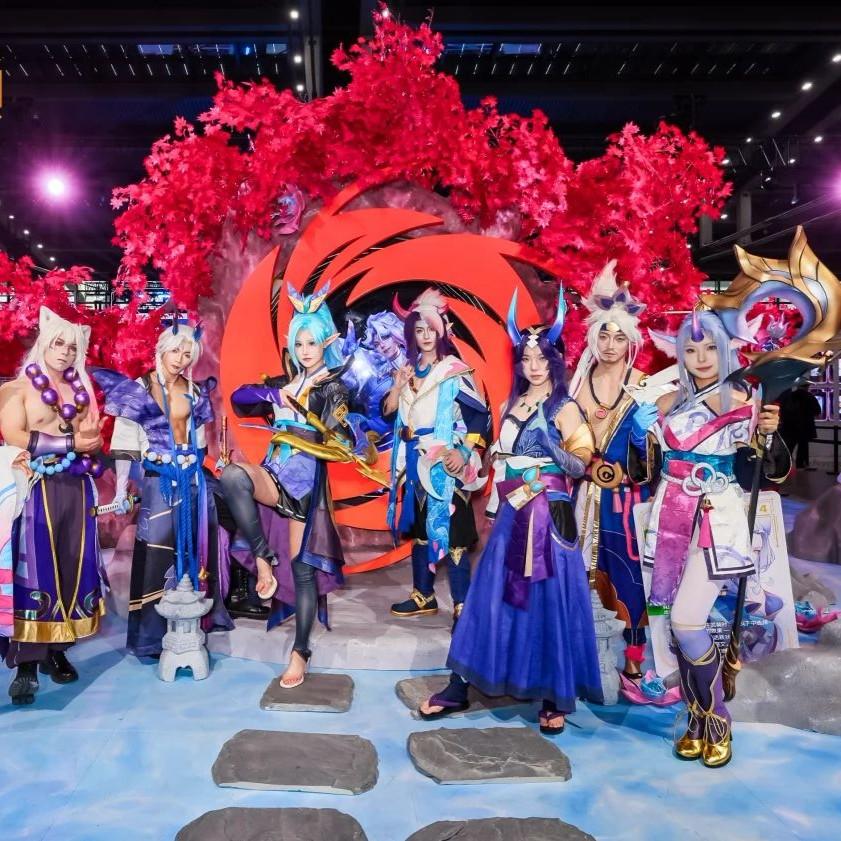
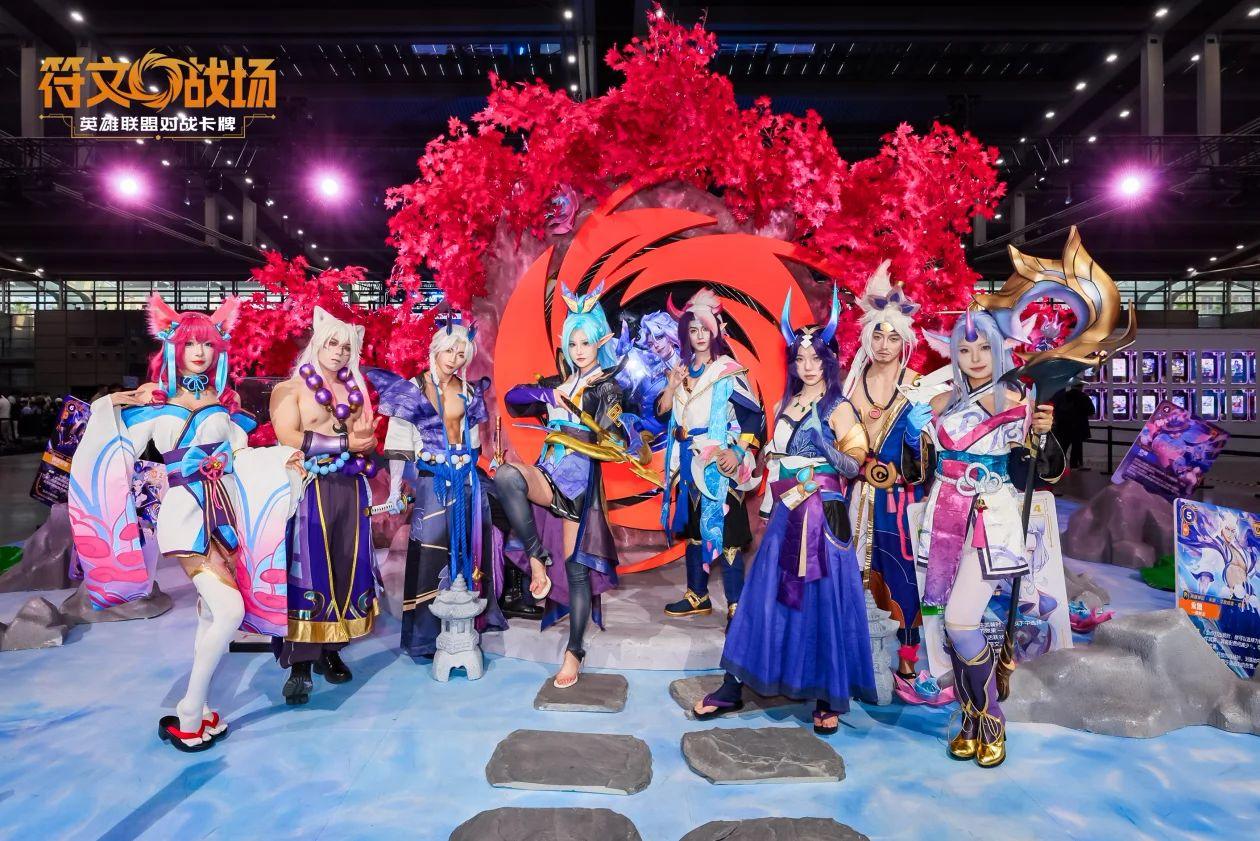
Throughout the venue were large installations, exhibitions of the latest showcase artworks, and displays of prizes and cards. Cosplayers were roaming around for photo opportunities, and several were lining up to play in events themselves.
- More of Riftbound:
The Twisted Treeline - Side Events and Attractions
Outside of the main event, there were ample attractions to keep the venue active. Whether you were between rounds or visiting the venue for a short period of time, there was much to do. Beginner demo tables were teaching new players how to play Riftbound. These were using the Proving Grounds introductory product, which saw groups of four players engaging in a fun, free-for-all-style match.
A small crafting area allowed attendees to create pixel-style rune art, and several cosplayers spent the day moving through the hall, taking photos with players. Side events also fired all weekend long, allowing players the chance to visit the ever-popular prize wall.
Shop Guide - Visiting The Merch Booth and Prize Wall
One of the busiest sections of the event was the Merch Booth and the Prize Wall. Summoners could purchase a wide range of products, from special binders and deckboxes, to pins and plushies, and even sealed booster products of Origins and Spiritforged.
The prize wall also had a great variety of products. While the metal cards featured at European and North American regionals were missing, I saw quite a few things I definitely needed to pick up. There were Riftbound-themed backpacks for each of the colours, I saw sculpts and high-quality models of League of Legends champions, and specially stamped promo cards for the event.
Noticeably absent from the event were vendors. Where we see miniature marketplaces and rows of vendors, here the merch booth and prize wall were acting as a Riot storefront. What this facilitated, however, was large “trade evenings” where, after the main event, there were several players with open binders and boxes of cards. It was honestly really fun going from table to table, person to person, browsing everyone’s collections. This was a great way for me to meet and talk to people – and also to pick up some fun additions to my decks.
Picks and Bans - Riftbound Shenzhen National Open Metagame Breakdown
For all the distance between events in China and those in Europe and North America, it’s interesting to see that the most-played decks remained relatively consistent. There are some differences in the metagame as you go further down, but looking at the most played decks, it looks like a tournament you would see anywhere around the world. By far the most played deck of the weekend was Draven, with 386 players making up 18.8% of the field. Following closely behind was Irelia with 241 players. A slight difference I noticed was the popularity of Viktor and Azir. These decks are definitely popular in their own right in Europe and North America, but there was quite a sizable representation in Shenzhen.
However, as the rounds progressed and the standings began to stabilise, one legend was performing consistently well: Irelia. By the time we got to the top cut, Draven was still widely played, but it started seeing more and more resistance from the Blade Dancer herself.
Moving into the top cut, we saw a clear dominance by the chaos decks, with 9 Dravens, 4 Irelias, and 1 Sivir in the top 16. Only two decks in the top 16 did not have access to chaos, and those were 1 Fiora and 1 Kai’Sa. Even among the Dravens, we saw varied strategies. There were 6 mid-range renditions and 3 miracle versions. There was not a single Detonate Draven in the top 8. As we progressed through the top cut, however, we saw one champion come out on top.
Disclaimer:
Perhaps this showing of Chaos’ strength was the final deciding factor in the latest Riftbound ban announcement. As we were finalising this article, we saw Riftbound’s first-ever bans. Draven himself took a massive hit with Draven – Vanquisher, Called Shot, and Fight or Flight being banned. We also saw Scrapheap get banned along with three battlefields: The Dreaming Tree, Obelisk of Power, and Reaver’s Row. These bans not only hit Draven but also impacted nearly all of the top-performing decks at this tournament. If you want to read the full ban announcement, you can do so here.
After two days of intense gameplay, the tournament ended with an Irelia mirror match in the finals. Both players were running highly tuned versions of the same strategy. A huge congratulations to Amen for winning the Shenzhen National Open. On top of the regular prizing that’s handed out, Amen also received an absolutely stunning championship ring! I’m definitely not jealous at all.
Defiant Dance - Piloting Irelia Like a Champion
Amen piloted Irelia beautifully throughout the weekend, and if you want to as well, here is a very surface-level breakdown of the deck. Irelia decks are typically built as tempo-focused midrange lists that rely on mobility, combat tricks, and careful resource management rather than raw aggression.
The core idea of the deck is to develop Irelia – Fervent and keep her alive while she dances back and forth between battlefields. Using Blade Dancer’s ability, you can continuously ready Irelia – Fervent as you target her with spells and gear abilities. You’ll constantly be conquering battlefields and retreating to base as you scale her might to some ridiculous numbers.
You’ll also have a host of protective gear, like Guardian Angel or Zhonya’s Hourglass, to keep Irelia – Fervent and other key characters alive. Quality over quantity is the name of the game, as you will dedicate the majority of your deck to spells, protection, and interaction to keep your few yet powerful units alive. This deck is a careful balancing act of knowing when to engage and when to hold up your runes to protect against any would-be threats. If you want to play like a champion, here is Amens’ winning decklist below.
As you can see, the deck ran Obelisk of Power, The Dreaming Tree, and Fight or Flight. While the deck took a big hit, we do not doubt that other substitutions will allow this deck to continue to be a force to be reckoned with.
Patch Notes - Moving Forward With Riftbound
By the end of the weekend, the Shenzhen National Open had demonstrated just how quickly Riftbound is developing as a competitive game. We saw a full 2048 tournament in Shenzhen, China, with some amazing production value and tons of events and activities for all to enjoy.
While on the surface there were many visible differences, I still left the event with that familiar feeling of camaraderie. I entered the event hall knowing absolutely nobody, and yet through the shared enjoyment of Riftbound, I met players from all across China, and even the world. I was able to make trades, play games, and create lasting bonds with new friends I hope to see at future events. This was a great experience, and I’m glad I was able to experience it and share it with you all.
- More of Riftnound:
Want to stay up to date with more Riftbound news?