Light and Shadow - A First Look at Lorwyn Eclipsed
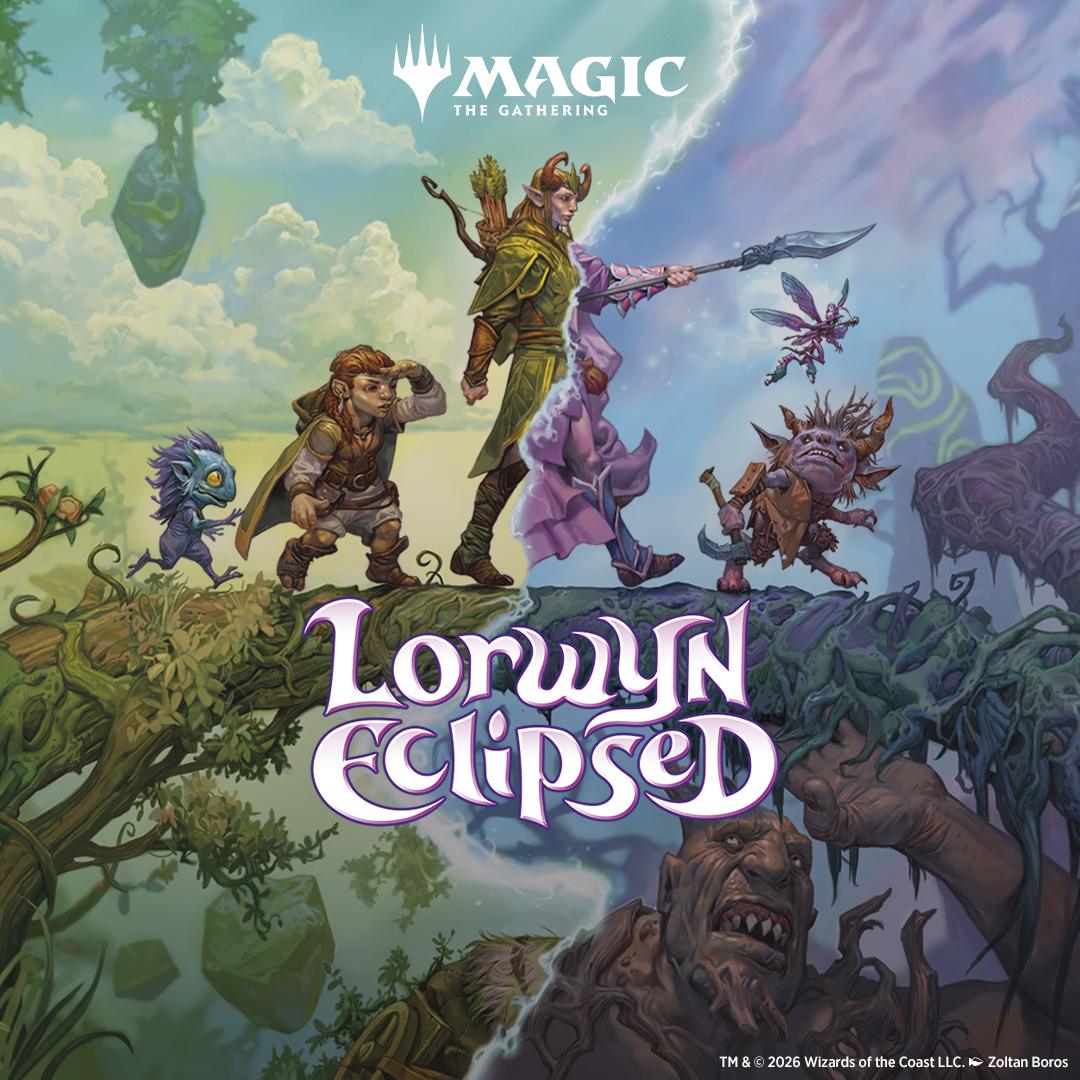
We’ve finally played in our first Lorwyn Eclipsed Prereleases and are still enjoying the wonderful musical debut video from Wizards of the Coast showing off the set. Characters and mechanics, both old and new, were fully realised, and some fan favourites took the spotlight.

Discovering The Secrets of Lorwyn and Shadowmoor - Mechanics New and Returning
Lorwyn Eclipsed not only brings back fan favourite mechanics, but also showcases the duality of the setting with new takes on old mechanics, and entirely new mechanics all together. While we did get a sneak peek last year when the first reveals were shown, we now have a more comprehensive overview of what Lorwyn Eclipsed will look like gameplay wise.
Vivid
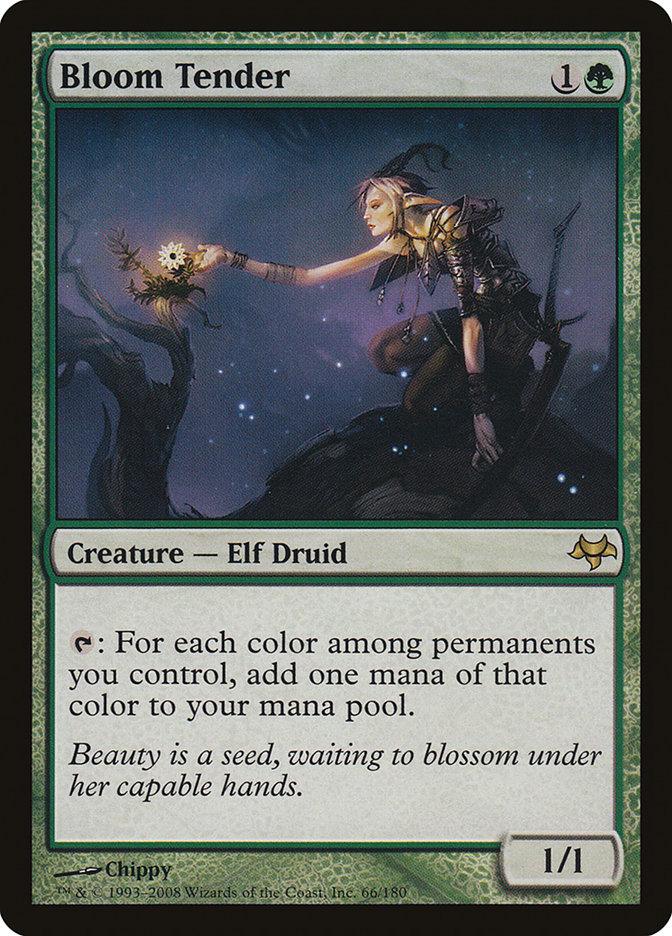
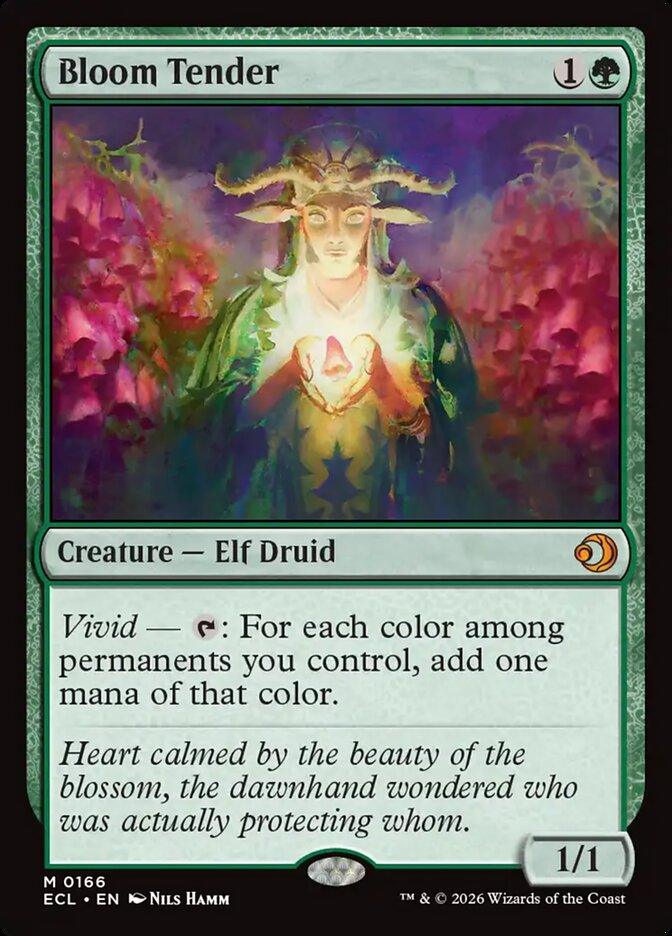
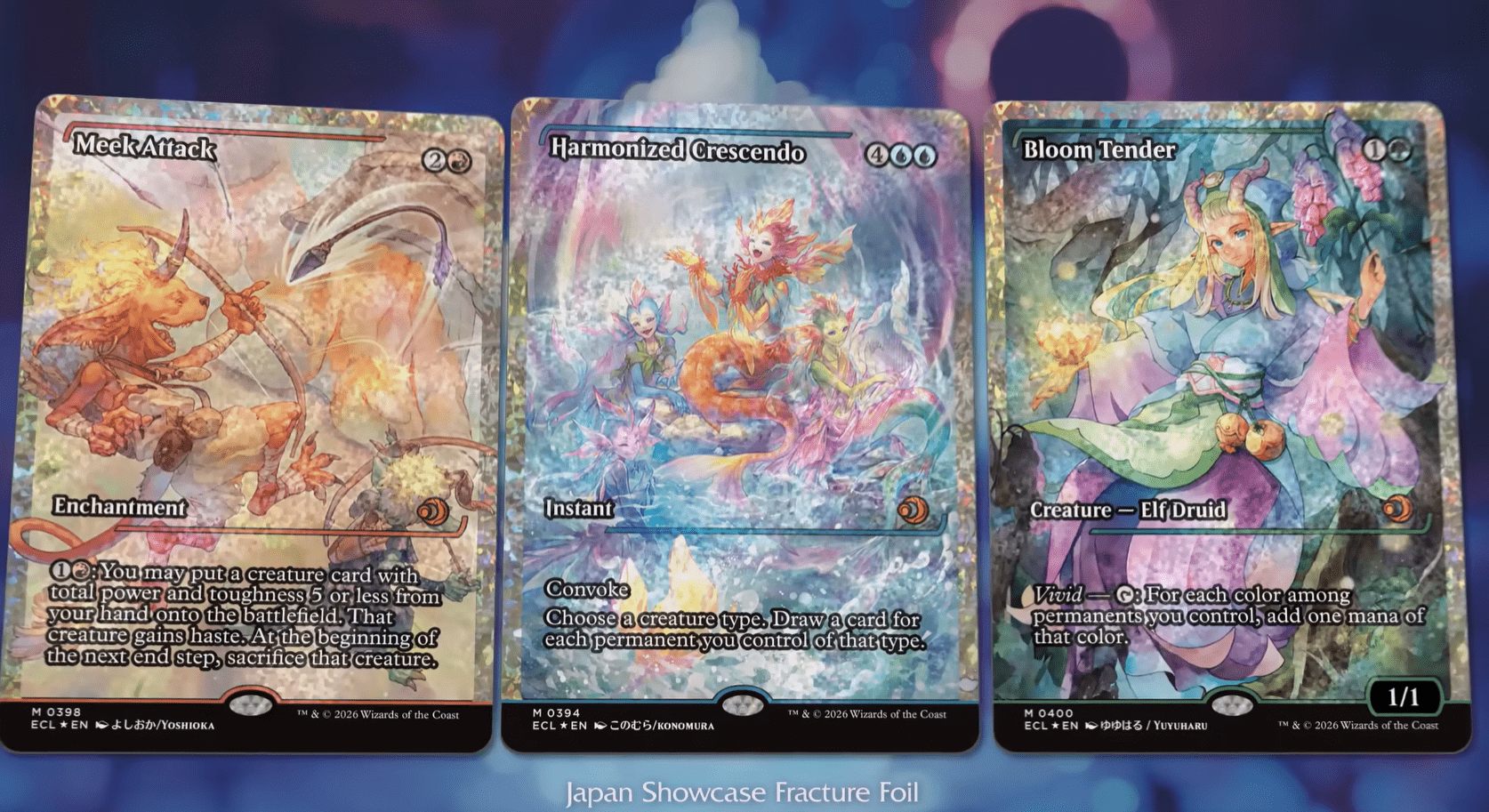
Vivid is a new ability word that represents abilities that care about the number of colors among permanents you control. Because there are five colours in Magic: The Gathering this number will range between 0 and 5. A great example of this is the reprinted Bloom Tender. If we look at an older printing of Bloom Tender from Eventide, we see its ability reads as when you tap it, “for each color among permanents you control, add one mana of that color to your mana pool”. Now we have the same wording except it’s prefaced by Vivid.
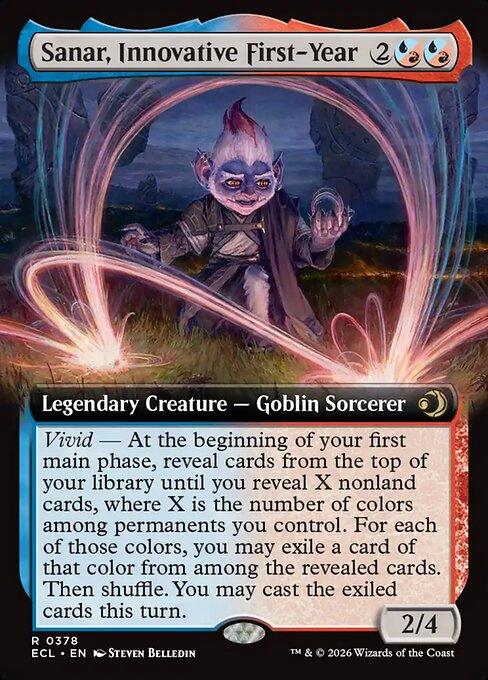
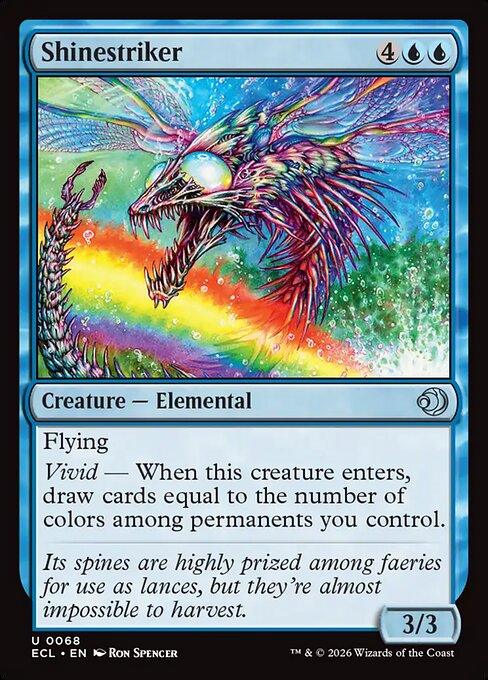
Let’s take a look at how this affects some of the newer cards. Sanar, Innovative First Year has a Vivid ability and it references X where X is the number of colors among permanents you control. Or we can look at Shinestriker where it simply says when it enters, draw cards equal to the number of colors among permanents you control.
Blight
Blight is a new keyword that was featured in the debut trailer, and this one looks to take the -1/-1 counters that you normally dish out to your opponents, and put them on your own creatures for a powerful benefit. When we see Blight it is formatted similarly to Waterbending from Magic: The Gathering | Avatar: The Last Airbender, in that it is followed by a number.
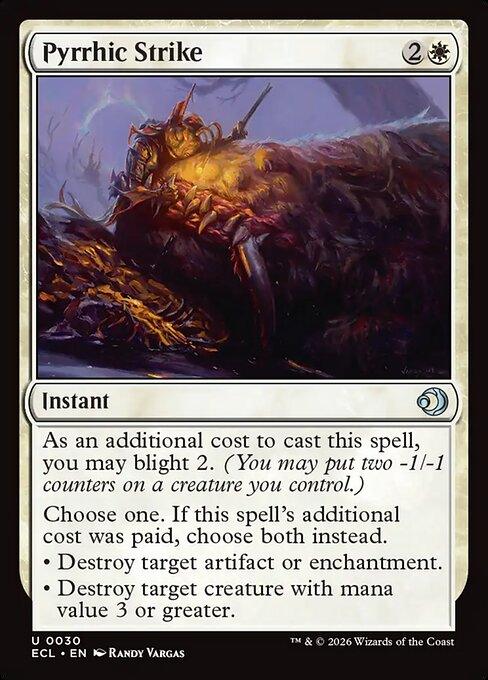
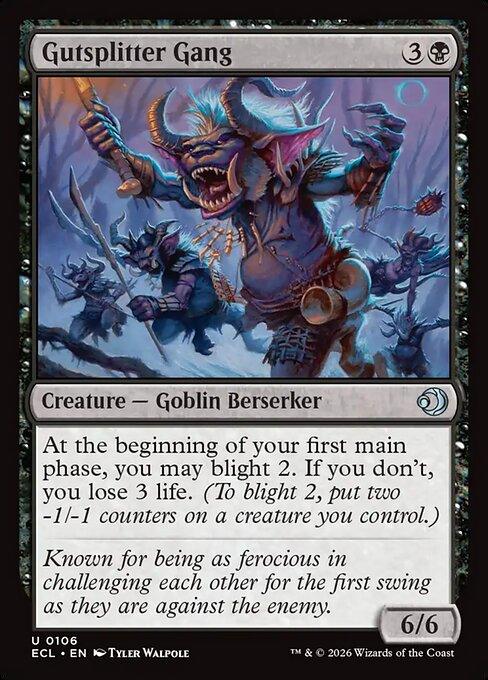
We will see Blight N where N can be any number, and that number will reference the number of -1/-1 counters you are required to put on a creature under your control. You’re not required to put the counters on the creature whose ability you’re activating, but it must be a creature you control. Another important note is that you CAN put more -1/-1 counters on a creature than it could normally hold. So should you control a 1/1 creature and cast Pyrrhic Strike, you can put both -1/-1 counters from the blight 2 onto the 1/1 creature. Sometimes blight is also used to balance powerful creatures and effects, for example, Gutsplitter Gang. We see a large 6/6 creature for only 4 mana, but it requires you to blight 2 at the beginning of your first main phase or lose 3 life.
Changeling
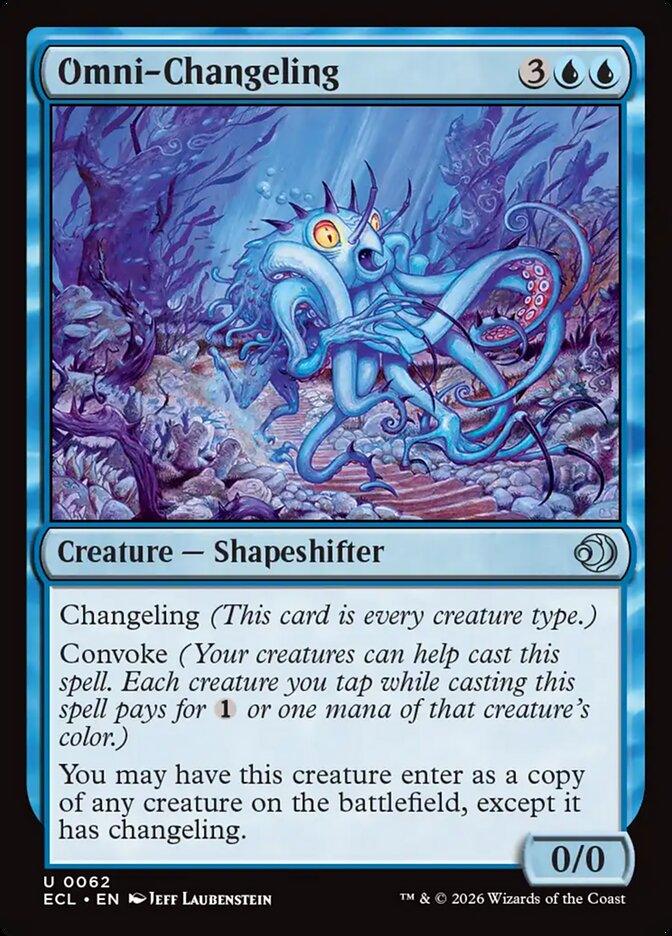
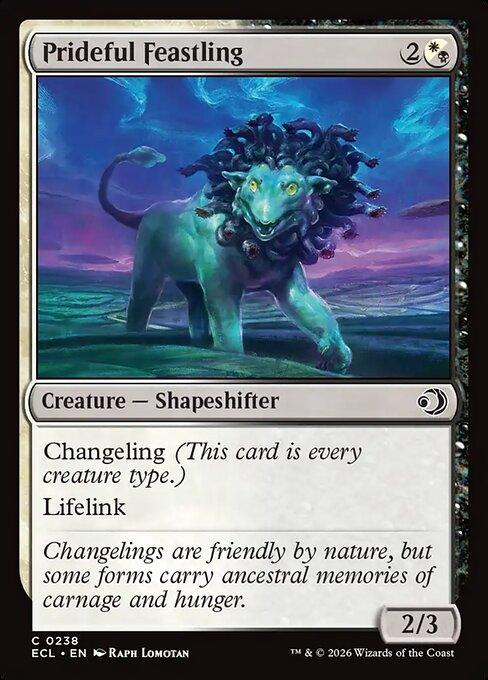
Anyone who knows me will tell you I love Changelings and, of course, Changelings were one of the iconic creature types from the original Lorwyn block. Changeling is a keyword that makes the card that contains it be every creature type. And by any creature type we do mean any, ranging from Giant to Elf, from Robot Pangolins to Atog, even Astartes or Time Lord, and, Doctor.
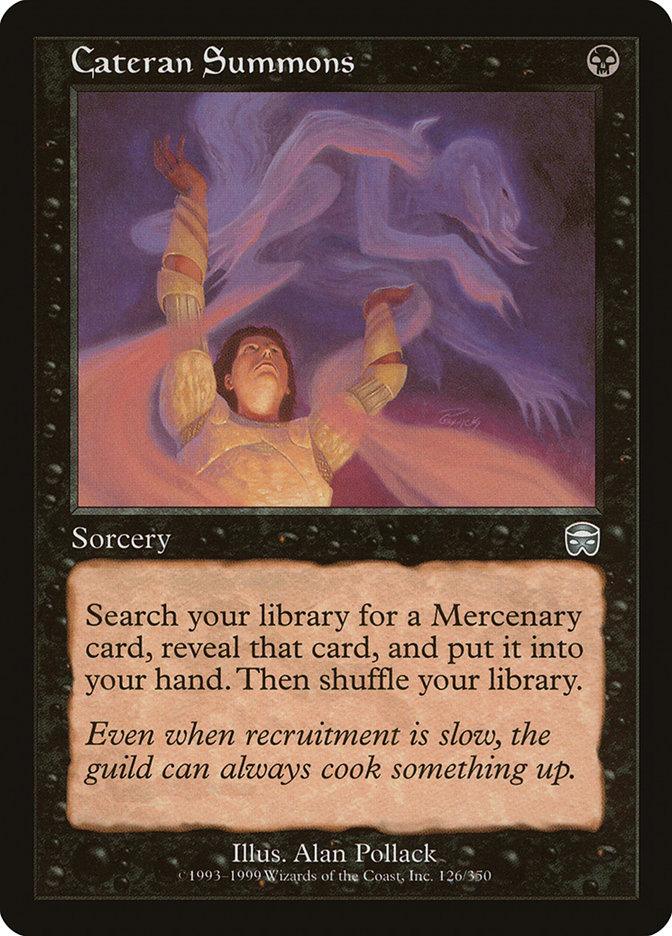
Changeling will apply no matter where the card is; if it’s in your hand, graveyard, or library, it is still all creature types. If you have a card like Cateran Summons, you can search your deck for any changeling as well. These creatures can fit into any creature based synergy, and can fight alongside elves, aliens, or even Daleks.
Kindred
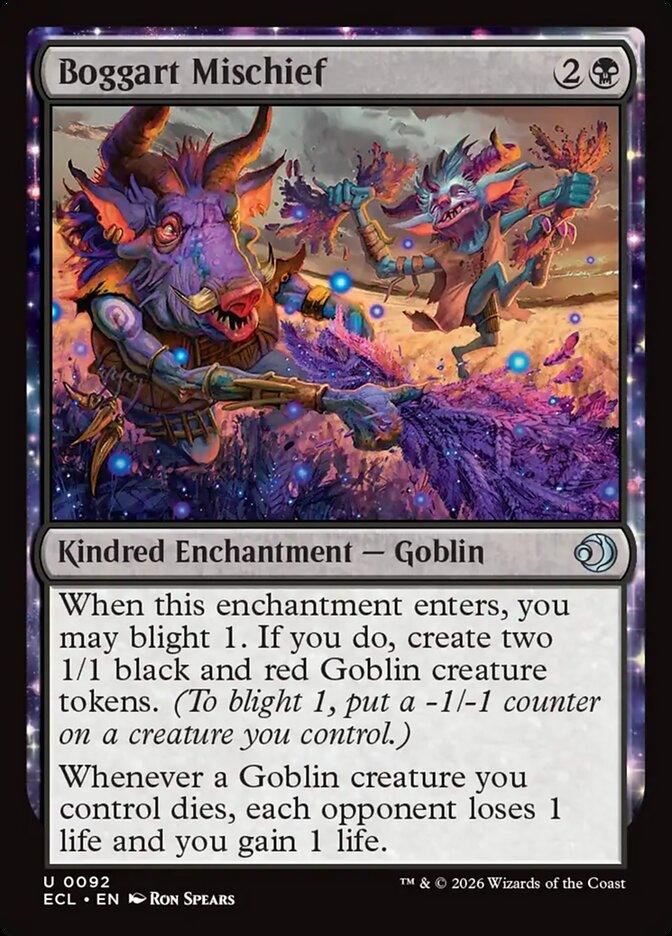
On the topic of creature based strategies, we have Kindred returning as a card type. What this essentially means is that when a non-creature spell has the Kindred type, it is also able to have a creature type. While these do have creature types and can benefit from effects that deal with casting spells of a certain type, these spells themselves are not creature spells. Wizards of the Coast provided a great example of this. Boggart Mischief looks at Goblin Creatures you control, it itself is not a creature card on the battlefield unless you’re able to turn it into a creature through a separate card effect.
Convoke
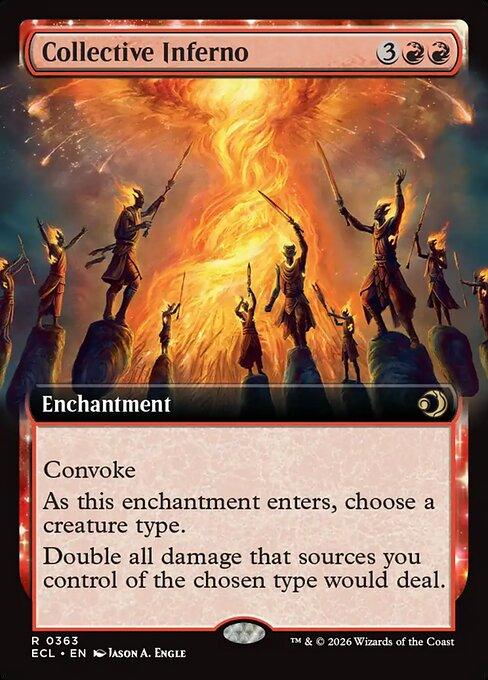
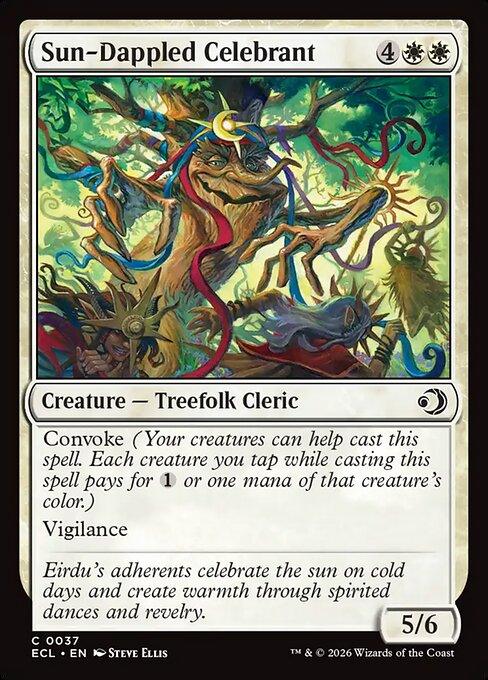
Convoke is another returning mechanic that appears on a select few cards. Convoke benefits a strategy that goes wide because cards with Convoke allow you to tap creatures you control to help pay for their mana cost. Each Creature you tap pays for 1 generic mana or a mana of that creature’s color.
Behold
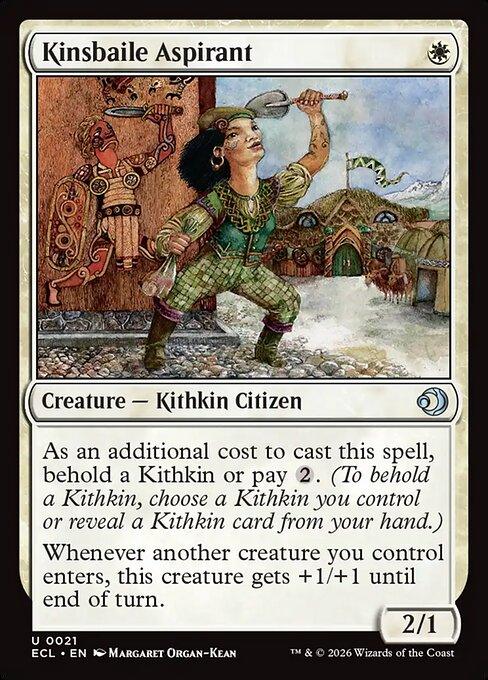
Behold returns from Tarkir Dragonstorm. It allows you to either reveal a creature of a certain type from your hand or have one under your control on the battlefield.
Evoke
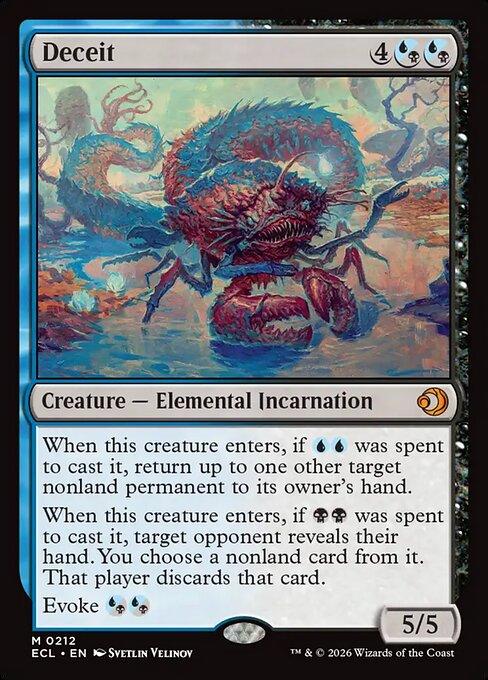
Evoke is an alternative cost that will appear on permanent cards. These cards usually have powerful effects when they enter the battlefield. When you pay a creature’s Evoke cost, you sacrifice it when it enters, essentially paying a cheaper cost for its enter effect and sometimes effects when it leaves.
Lorwyn Eclipsed takes this mechanic a step further, looking at exactly what color mana was spent to cast it, giving some evoke creatures added utility. Then, on cards like Deceit, in the later stages of the game you can cast them for their full mana cost and potentially get both effects.
Persist
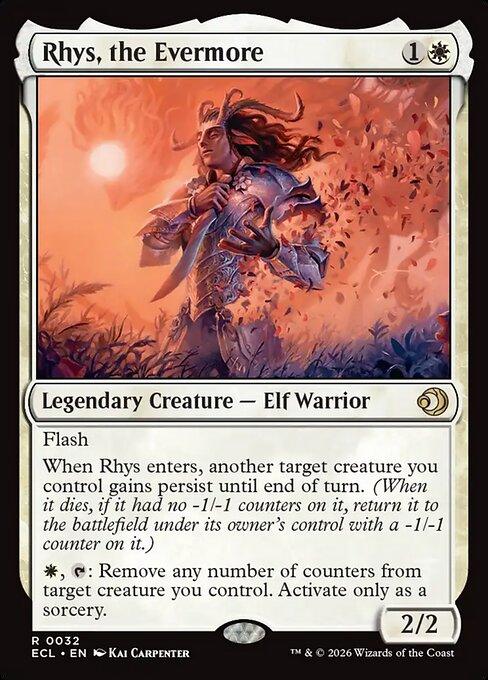
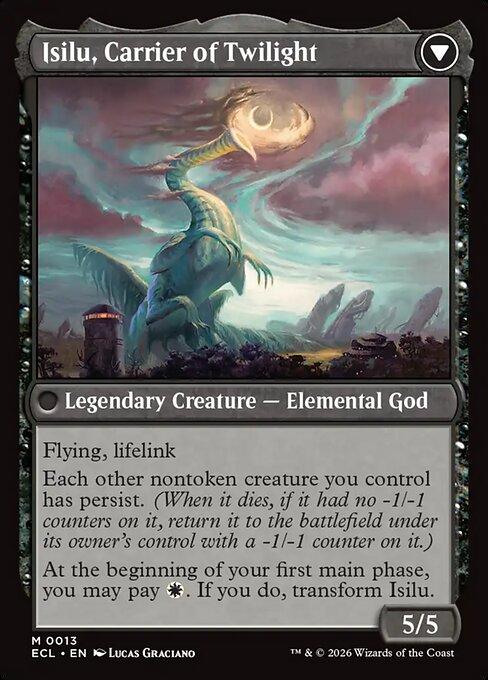
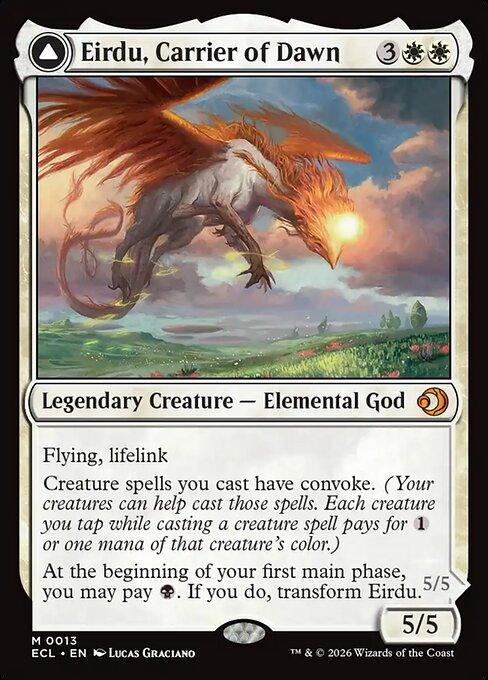
We see more -1/-1 counter effects with Persist, on cards like Rhys, the Evermore and Isilu, Carrier of Twilight, the flip side of Eirdu, Carrier of Dawn. Persist is exactly what it sounds like: when Creatures with persist die, they return to the battlefield with a -1/-1 counter if they died while having no -1/-1 counters on them. If you’re able to move those counters off of the Creatures before they die again, they may once again return with a new -1/-1 counter.
Double Faced Cards
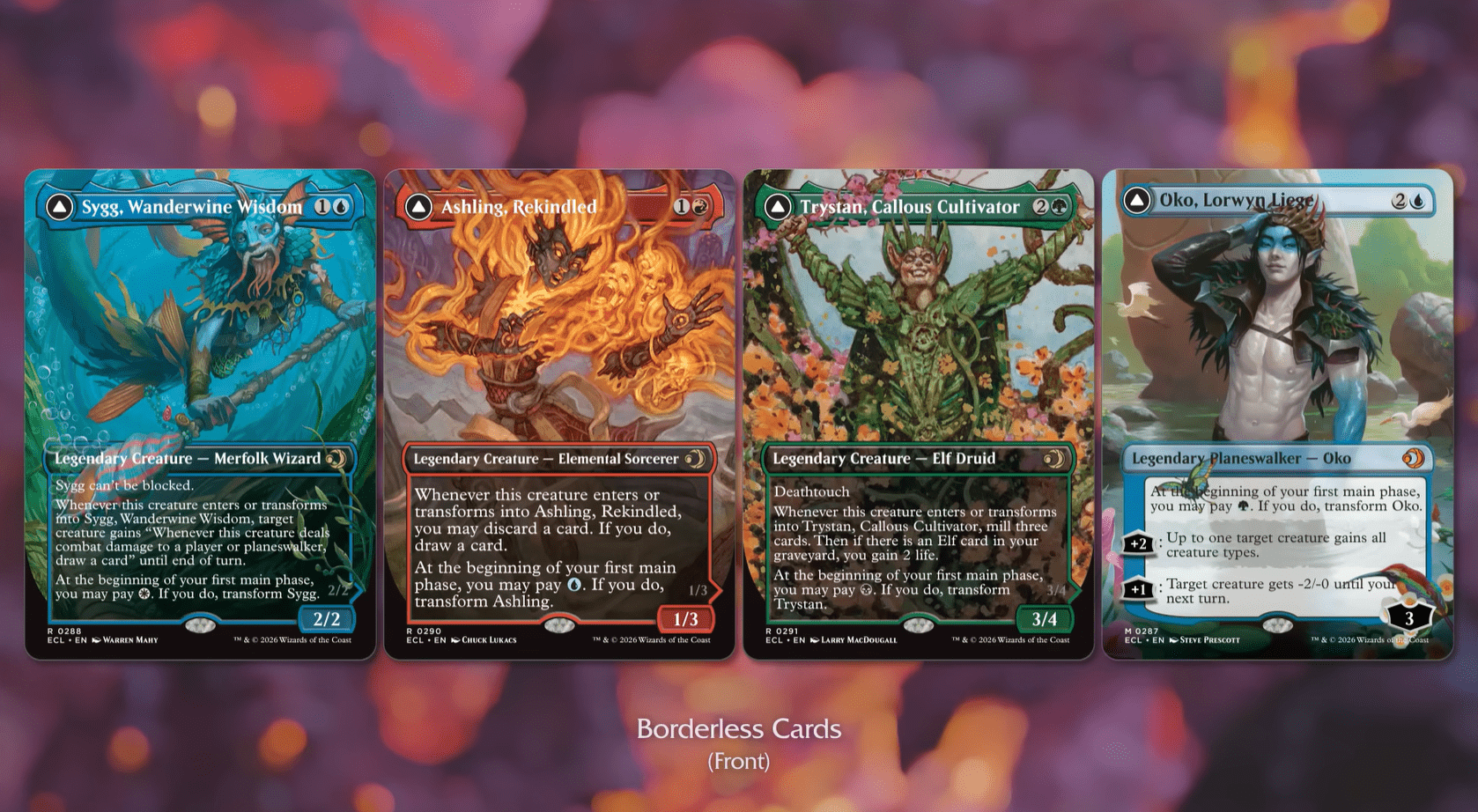
And finally, speaking of double faced cards, these once again make a return, symbolising the duality of Lorwyn and Shadowmoor, and how the inhabitants transform and change. Unlike some previous iterations of double faced cards like those in Magic: The Gathering | Marvel’s Spider-Man, these are the non-modal variety. What that means is, they have no mana cost on the back and must be cast as the front side only.
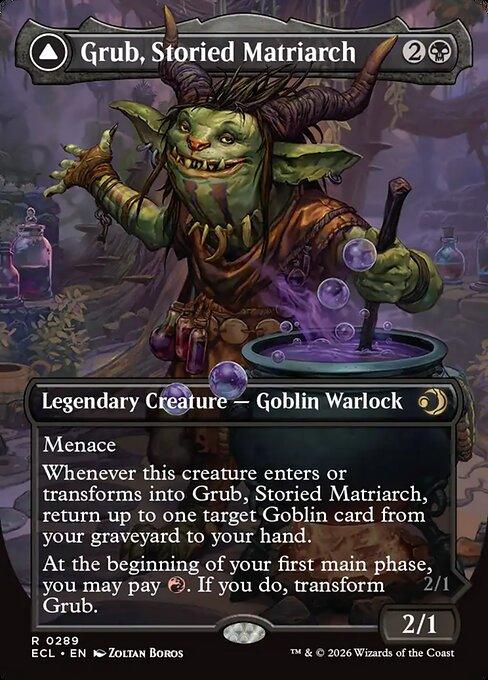
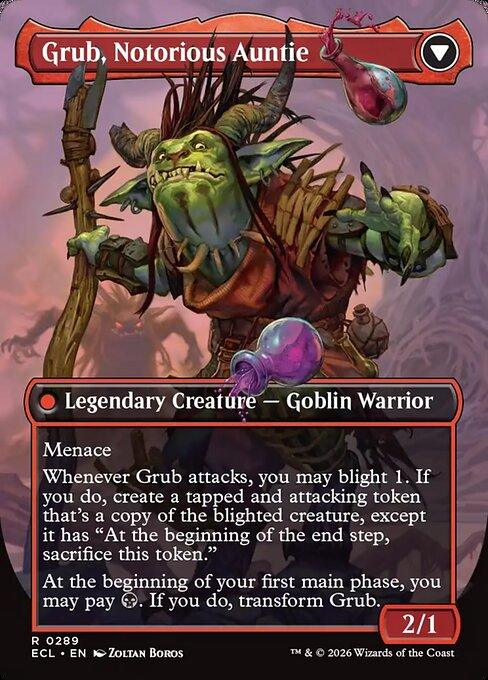
These cards can then however transform to and from their back sides. You can see which side is the front and which is the back based on the arrow icon in the top left corner of each card. The up arrow is the front side and the back arrow is the back side. While on the battlefield on the transformed or back side, mana value is calculated using the front side’s mana value, however the color is based on the colored dots that appear on the back side.
Let’s look at Grub, Storied Matriarch and its back side Grub, Notorious Auntie. While on the front side, Grub, Storied Matriarch is a 3 mana value black Creature, and when it transforms, Grub, Notorious Auntie is a 3 mana value red Creature.
- More of Magic: The Gathering
- Our next Magic: The Gathering Events
The Everchanging Cast - Characters New and Old
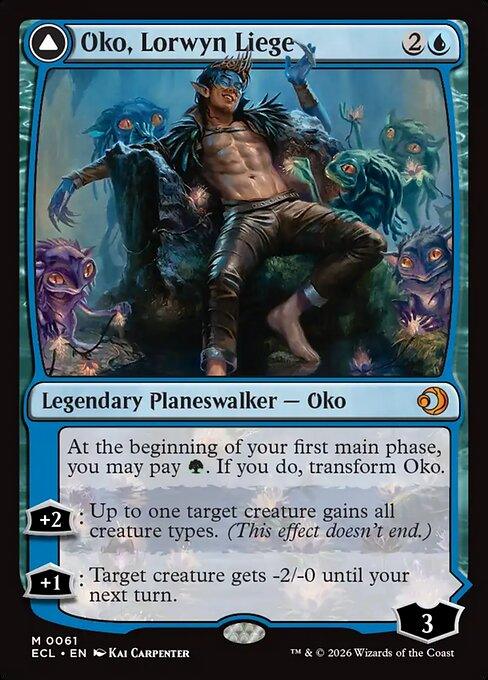
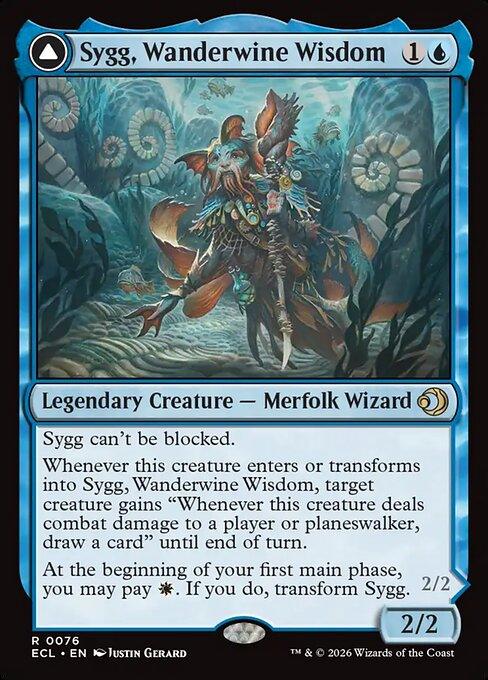
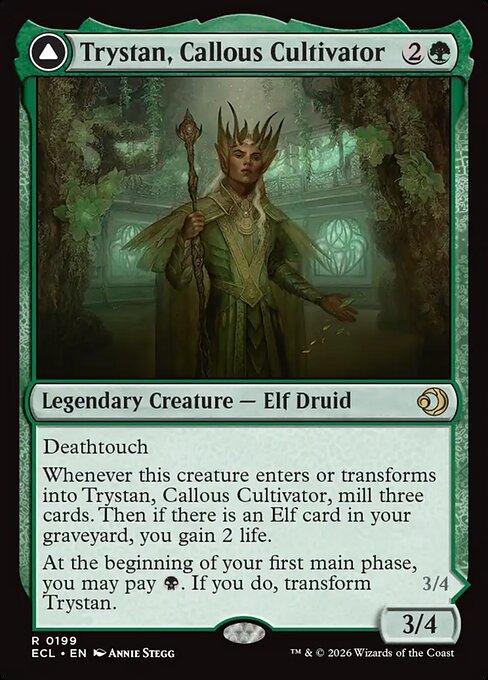
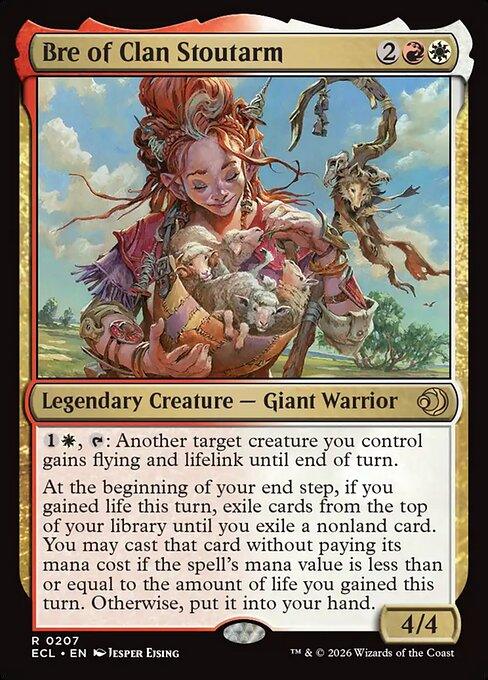
Lorwyn has been known not only for its setting, but the iconic characters that have been a part of the history of Magic for decades. We see amazing returning characters like Oko, Lorwyn Liege and Sygg, Wanderwine Wisdom. And alongside them interesting new characters like Trystan, Callous Cultivator.
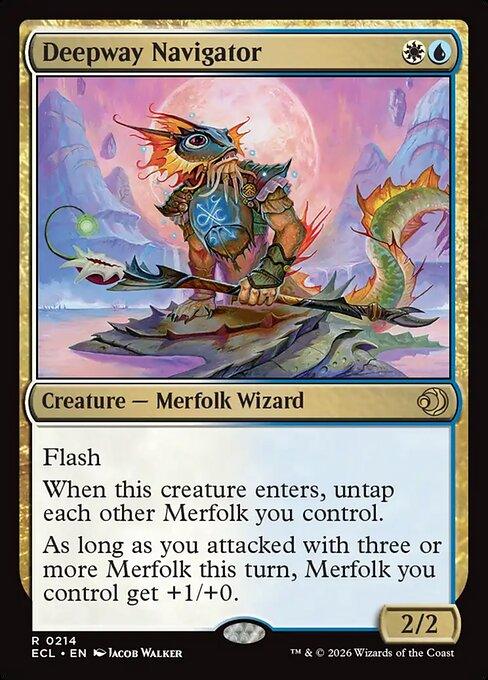
The iconic fantasy tribes that made Lorwyn really stand out are also playing a central role once again. We spoke on Changelings but we also have the return of the Goblins, known as Boggarts on this plane, the Fairies and Giants, and the Treefolk and Merfolk, and so many more.
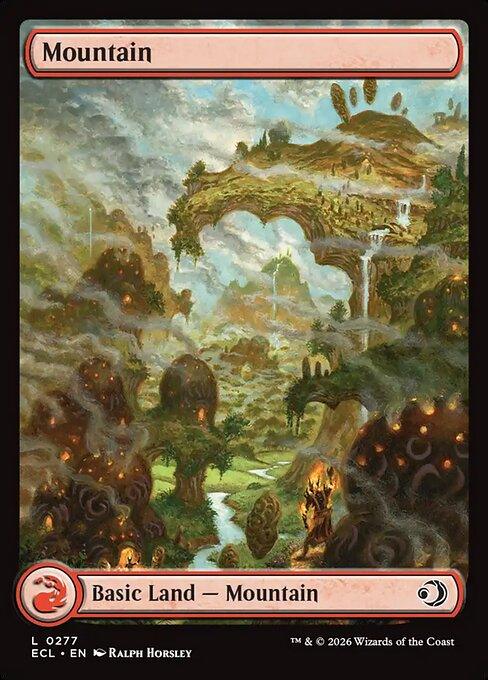
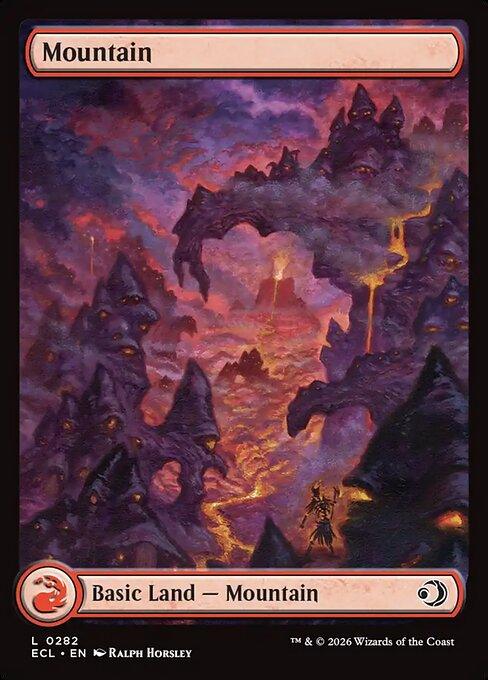
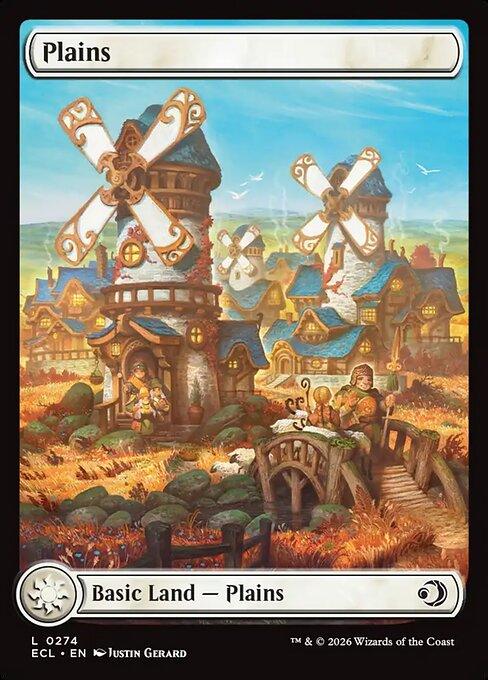
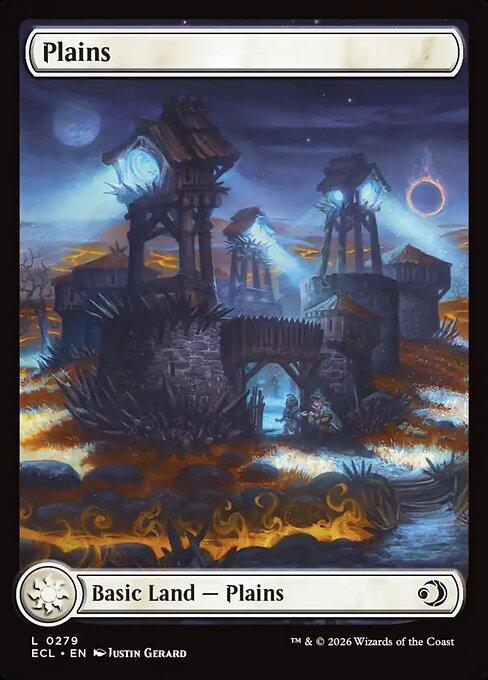
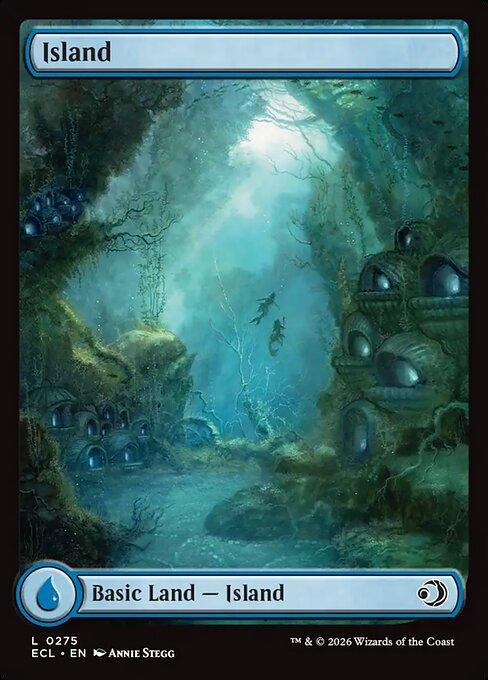
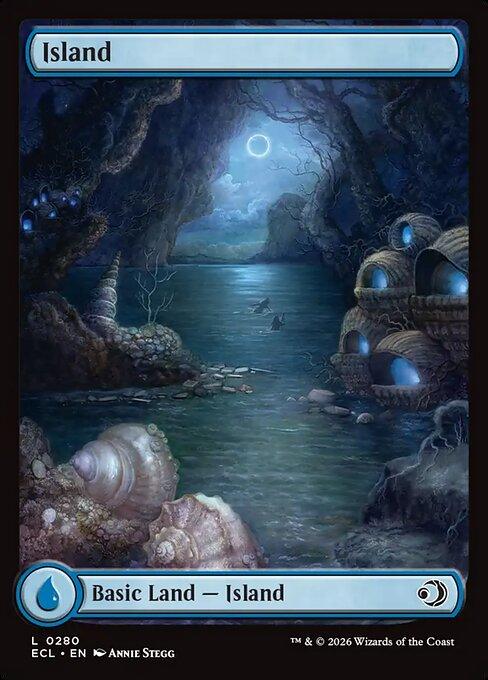
The setting has also never been more vibrant with each basic land type having two variations in full art, expressing even more the duality of Lorwyn and Shadowmoor.
High Fantasy and Fabled Treatments and Special Supporting Products
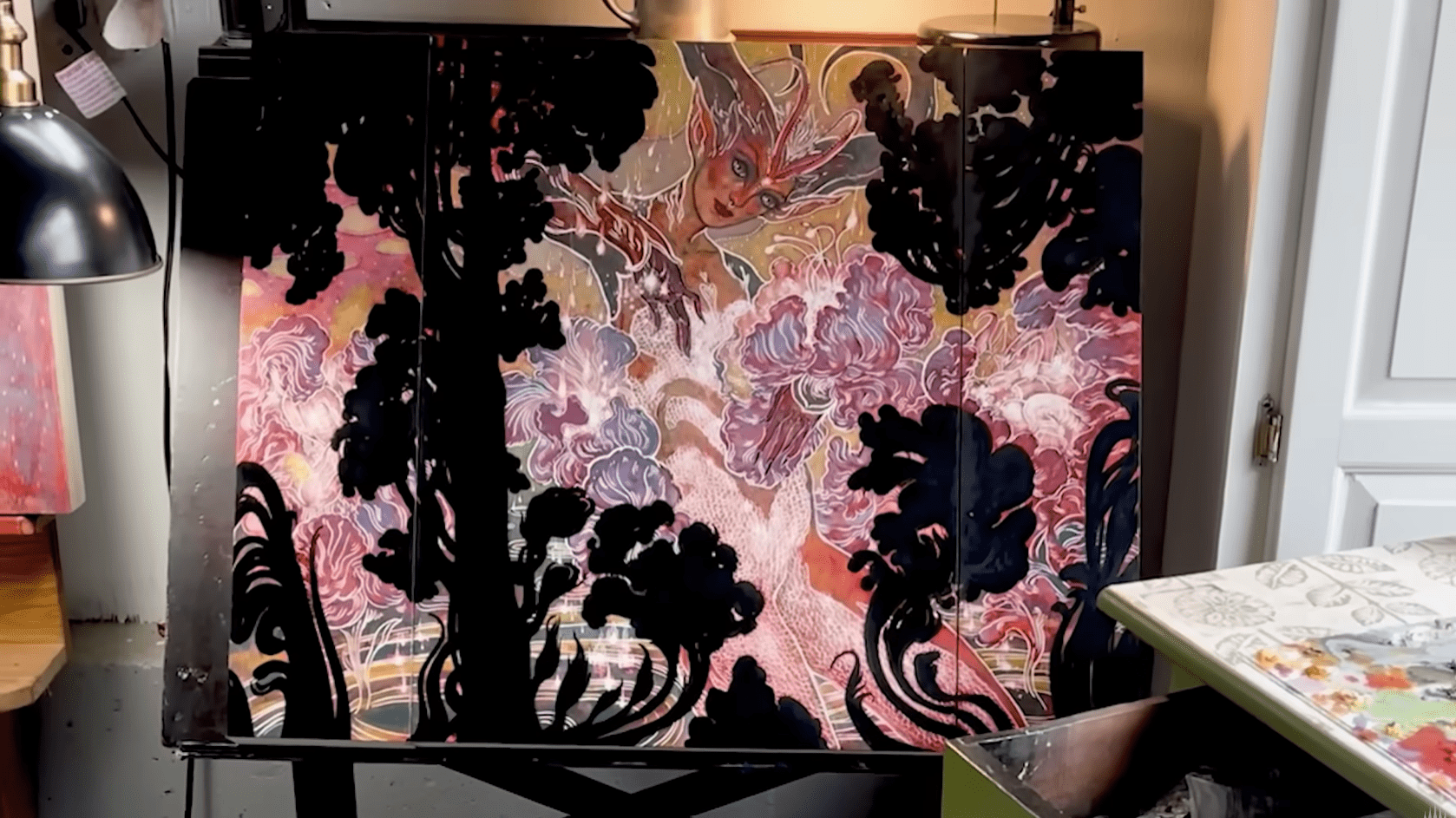
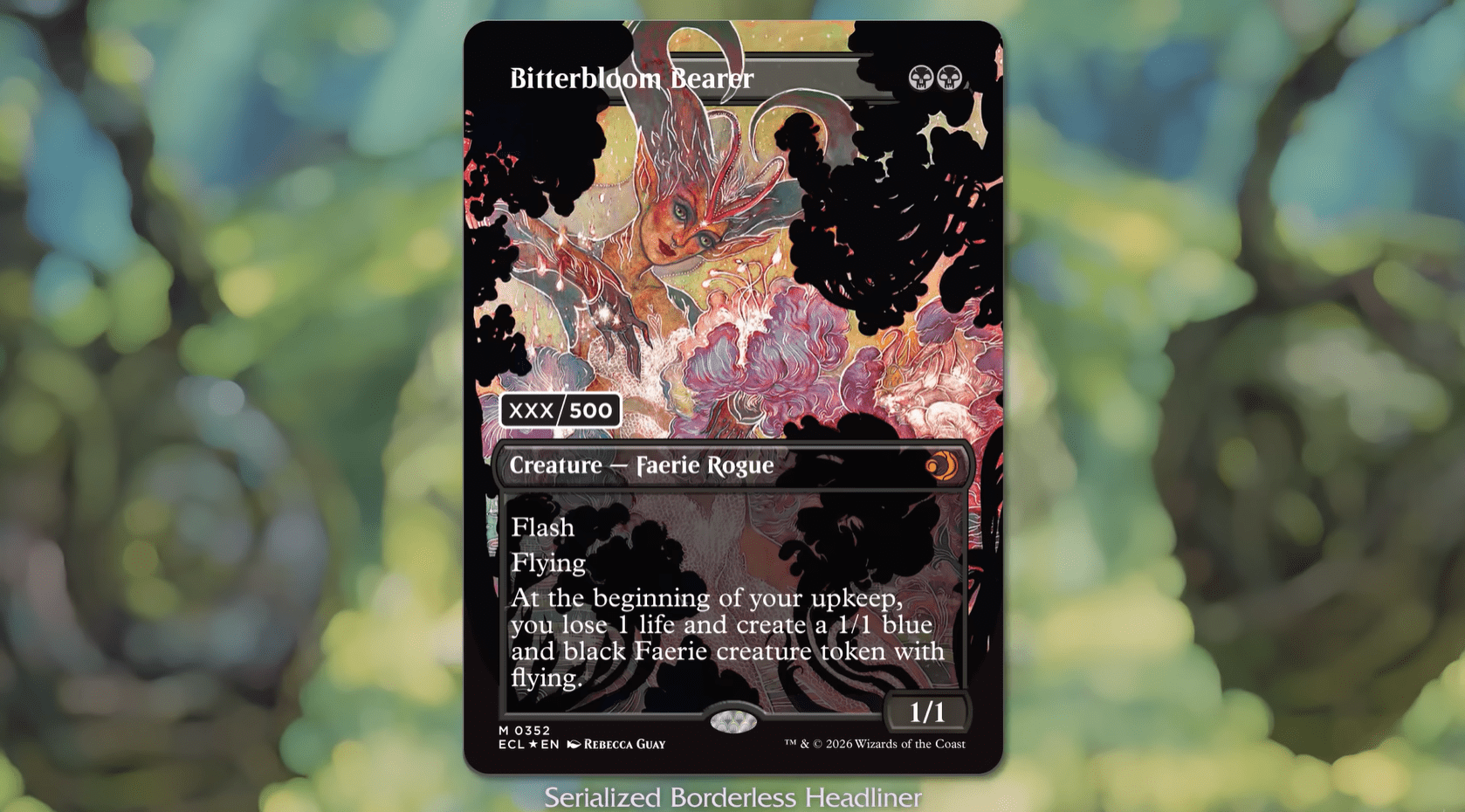
Magic is not holding back whatsoever with their first Universes Within set of the year. We are seeing some of the most stunning artworks from some of the most talented artists in the world. Beautifully hand crafted and well documented art pieces are on full display to really immerse you in the world of Magic: The Gathering. For example, we have this stunning hand crafted artwork from Rebecca Guay for the headliner card of the set Bitterbloom Bearer
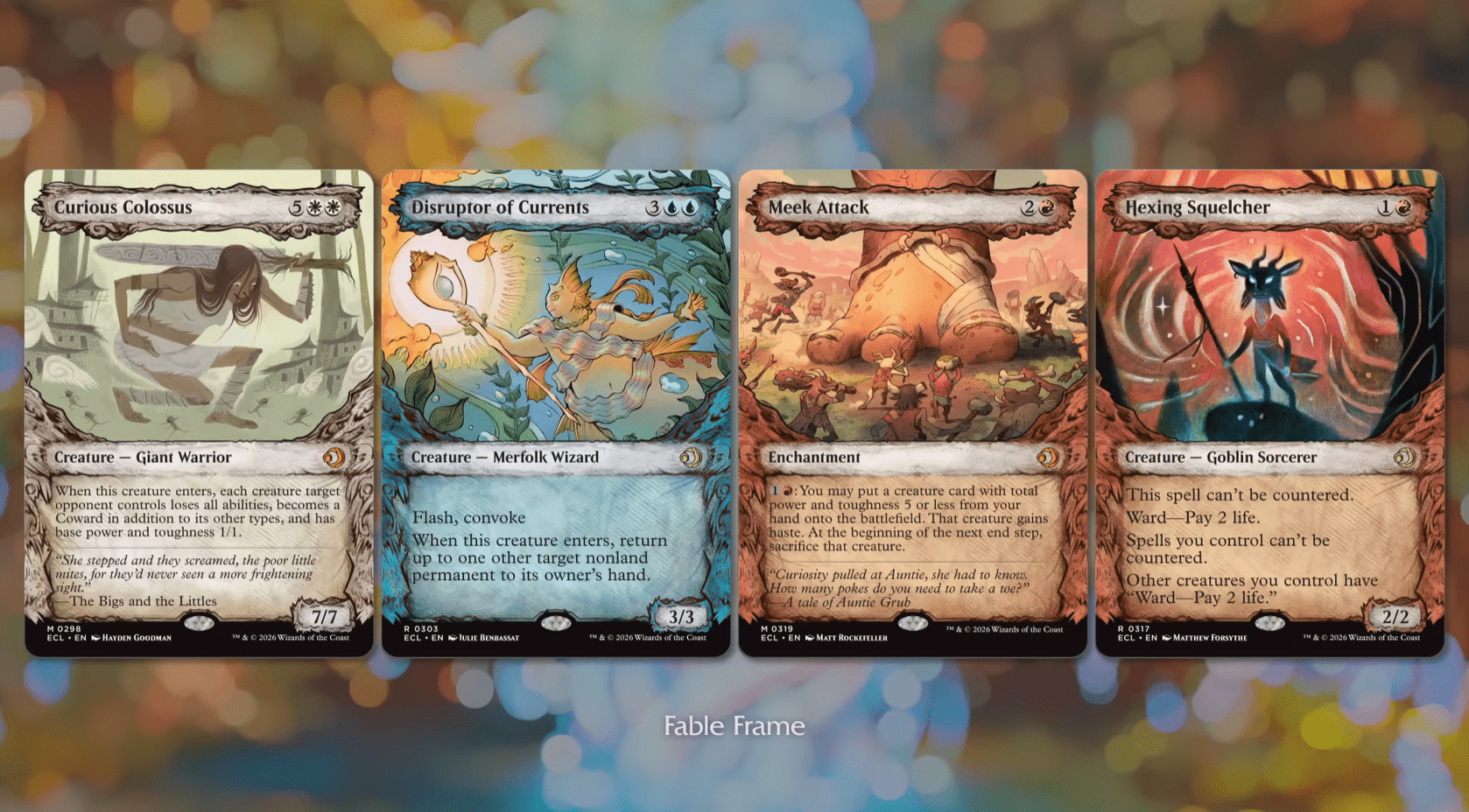
Absolutely stunning art in the Fable Frame art treatment is here to evoke the feelings of those old bedtime stories and fantasy fairy tales. These art pieces look as if they are straight out of old story books and fables.
Even the double faced cards and many more received stunning borderless treatments that quite literally break the framework of their cards.
And perhaps one of the most stunning treatments, in my opinion, are the Japan Showcase cards that also feature in their Fracture Foil treatment.
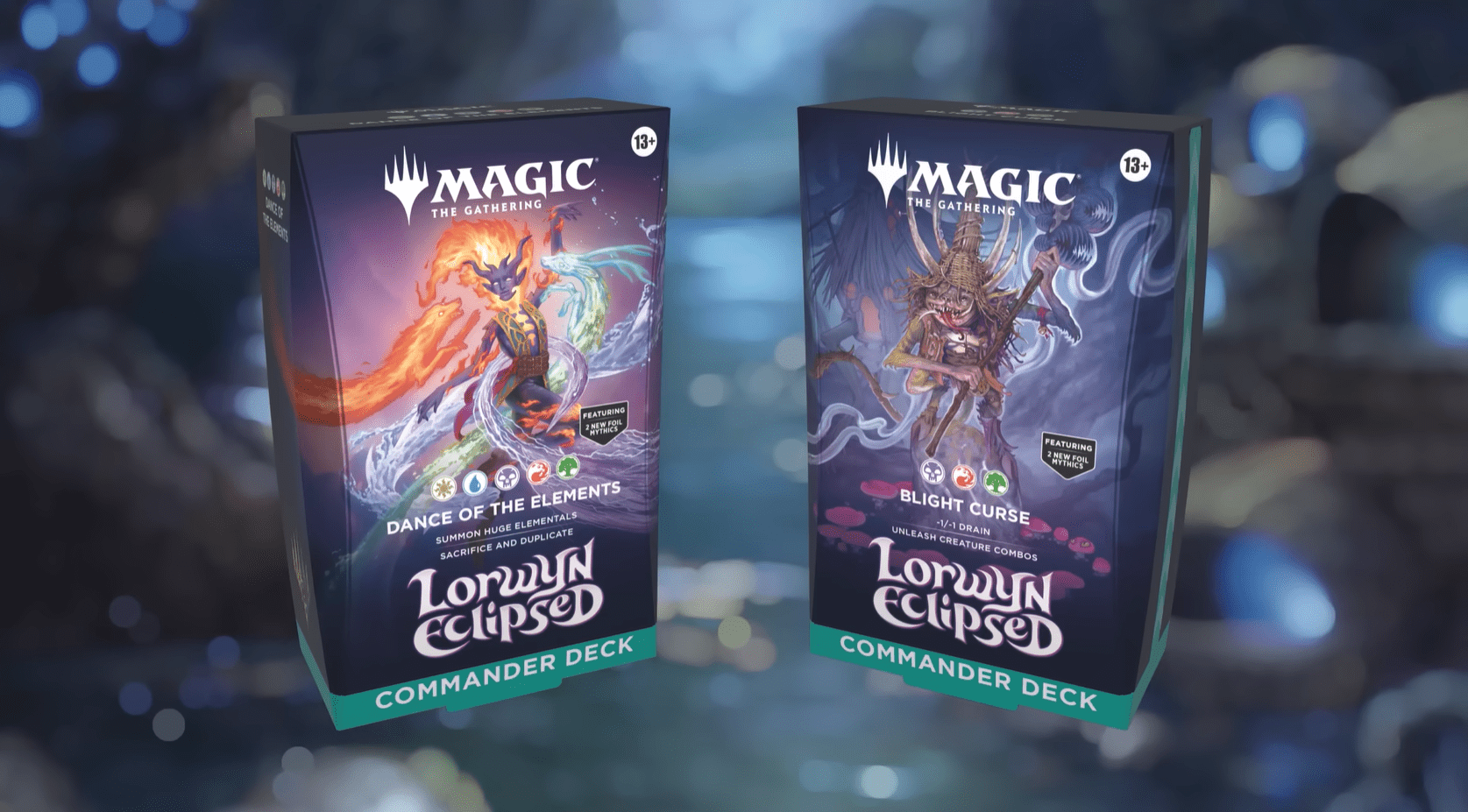
And for those of you who love the Commander format, we are getting two Lorwyn Eclipsed based commander decks. If you want to know what is already in them you can find their deck contents here!
This and so much more is truly what Magic: The Gathering is all about. We are so excited to get our hands on these cards and play some games. If you want to see the full debut trailer with an amazing musical act created by The Jim Henson Company, the team behind Kermit the Frog and the Muppets, you can see it all here! We hope you’re all as excited as we are, and can’t wait to play more limited, build our standard decks and crack open more packs. The full set release is January 23rd and it could not come sooner.
More News? Check out our socials and newsletter! 🙂
Want to stay up to date with Magic: The Gathering?